5 Days
4 Nights
Experience our untamed Kenya safari adventures, designed to immerse you in a truly authentic African travel experience filled with breathtaking wildlife encounters, scenic landscapes, and rich cultural connections. From thrilling game drives across vast savannahs to relaxing moments along pristine tropical beaches, Kenya offers some of Africa’s finest safari and coastal destinations, creating the perfect balance between adventure and relaxation. Our professional safari guides and dedicated concierge team ensure every journey runs seamlessly, crafting luxury Kenya safaris, family holidays, and romantic honeymoon escapes tailored to your unique travel dreams. No request is too big for our experienced travel consultants, who carefully design personalized, stress-free itineraries that combine comfort, exploration, and genuine local experiences. Africa has a way of capturing the heart, and Magical Sunset Safaris will be by your side each time you seek a bespoke, custom-made luxury safari experience.
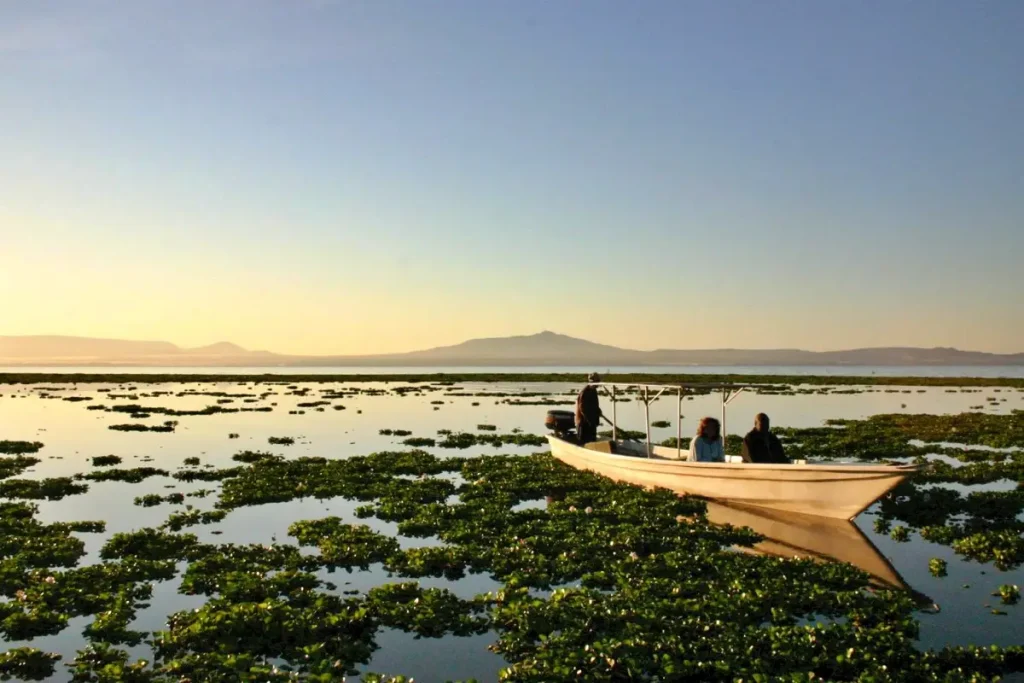
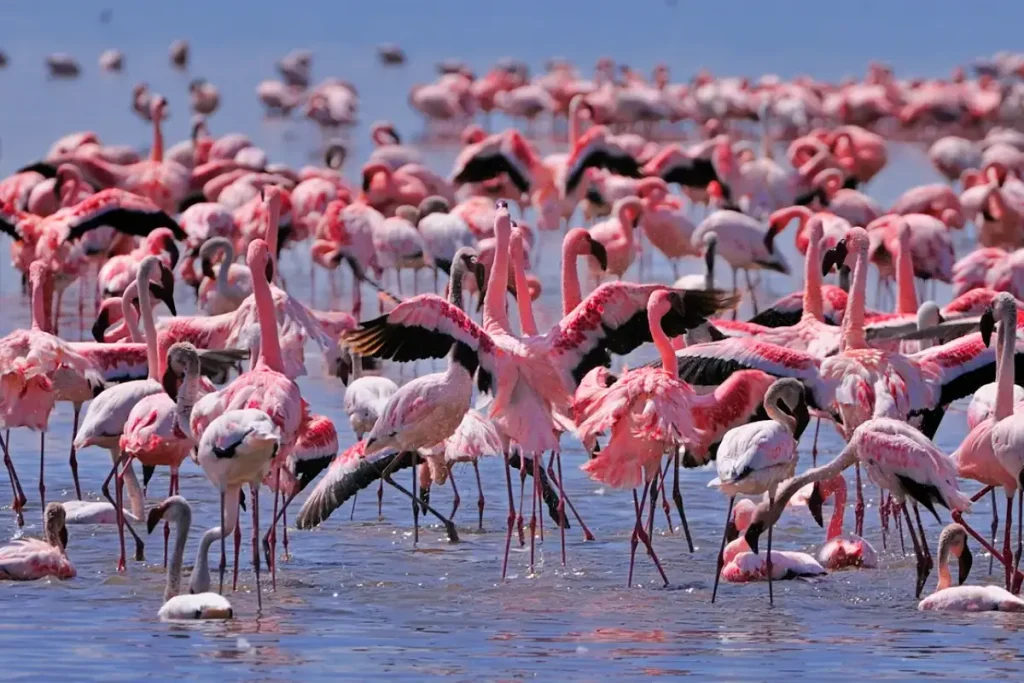
From witnessing the world-famous Great Migration in the Maasai Mara National Reserve to capturing breathtaking views of Mount Kilimanjaro rising above the plains of Amboseli National Park, Kenya offers unforgettable safari experiences at every turn. Discover flamingo-lined shores and exceptional birdlife at Lake Nakuru National Park, explore the dramatic landscapes of Samburu National Reserve, walk or cycle among wildlife in Hell’s Gate National Park, or unwind along the white-sand beaches of Diani Beach after your safari adventure. Our expertly crafted Kenya safari tours combine comfort, authentic cultural encounters, and personalized guiding to create immersive journeys across the country’s most iconic destinations. Led by passionate local experts, each experience reveals the wildlife, landscapes, and living heritage that make Kenya one of Africa’s most extraordinary travel destinations.
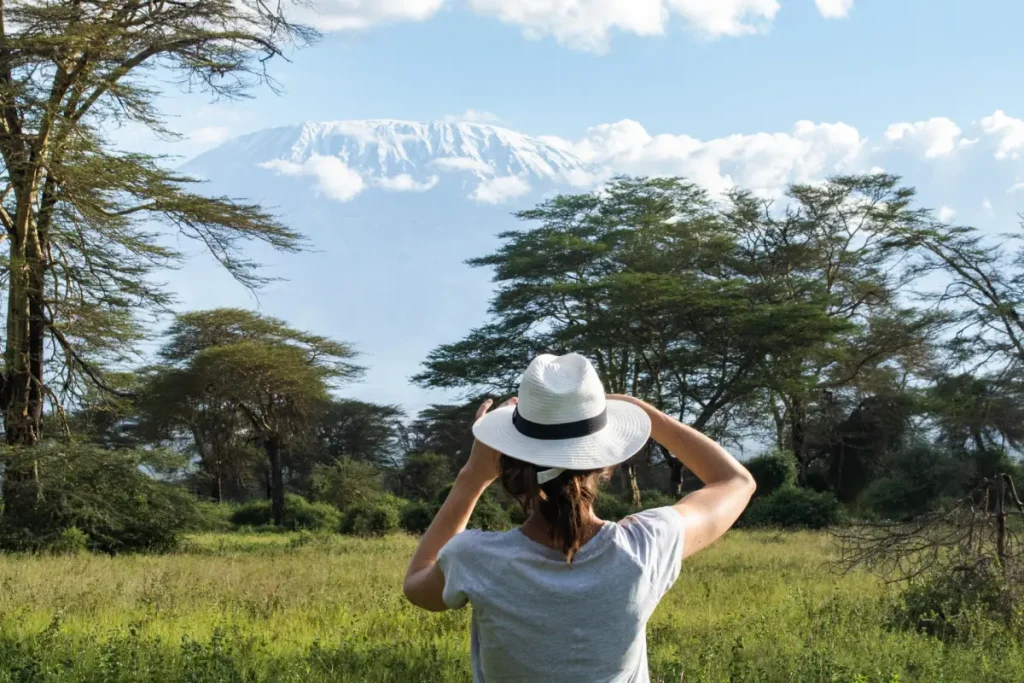
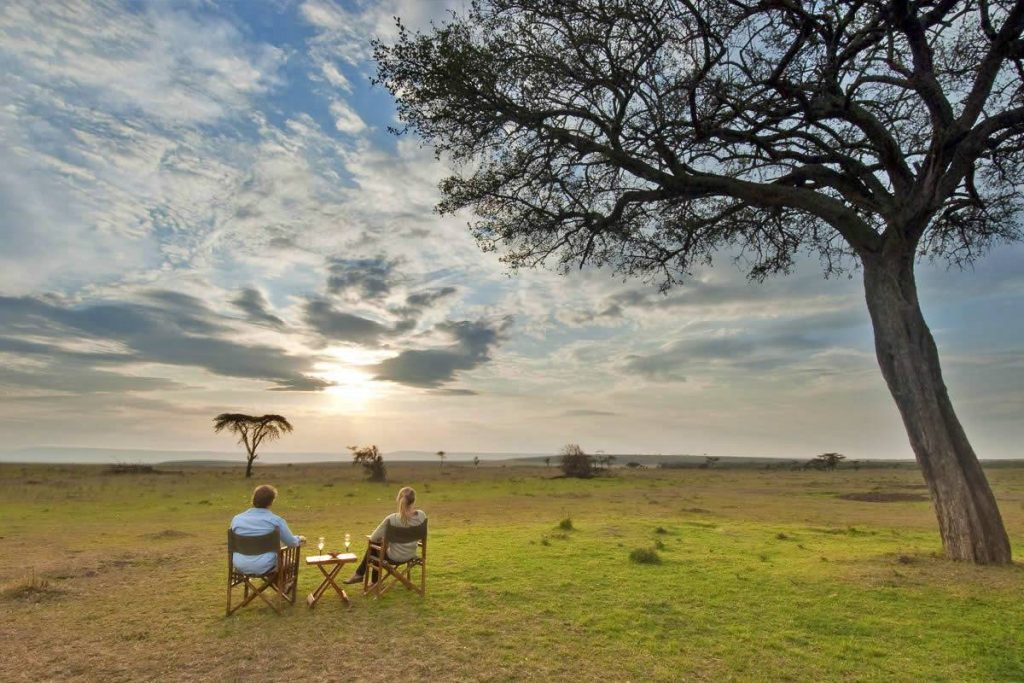
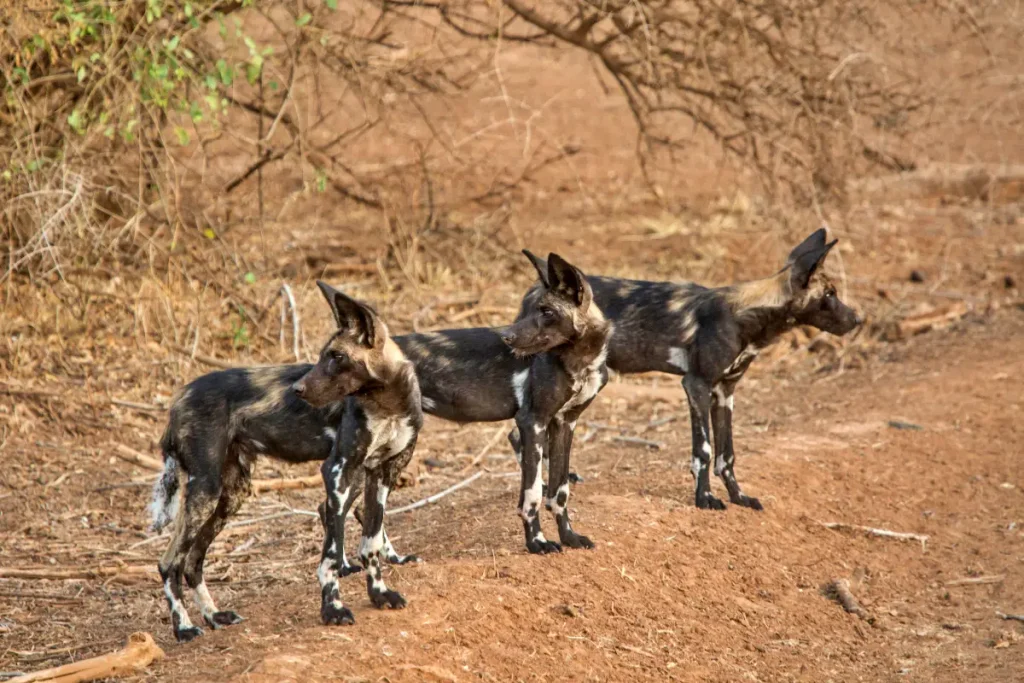
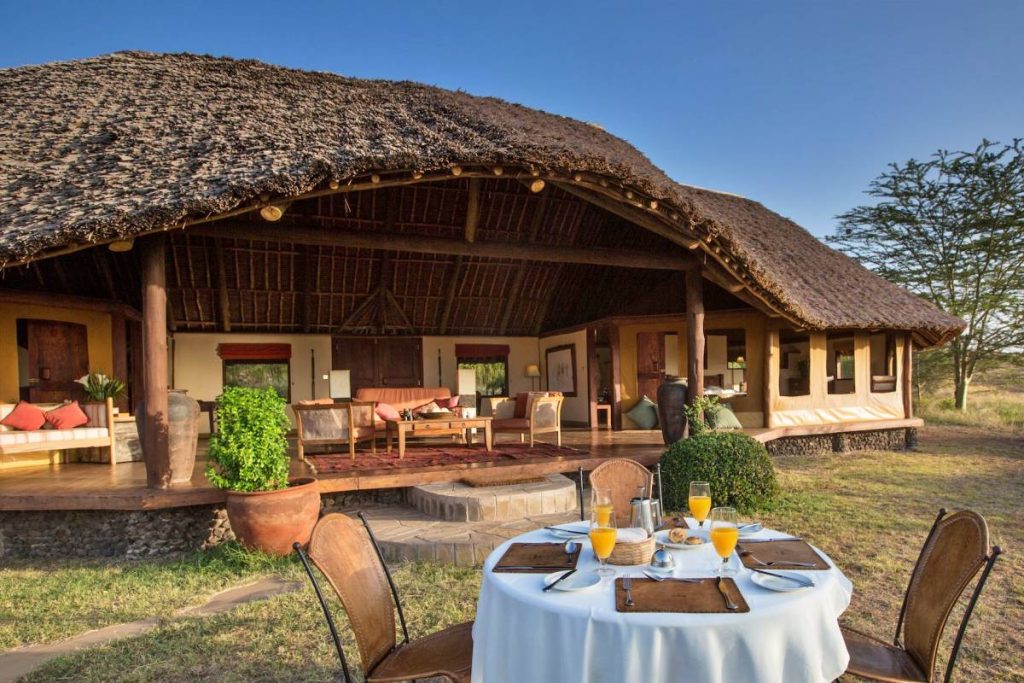
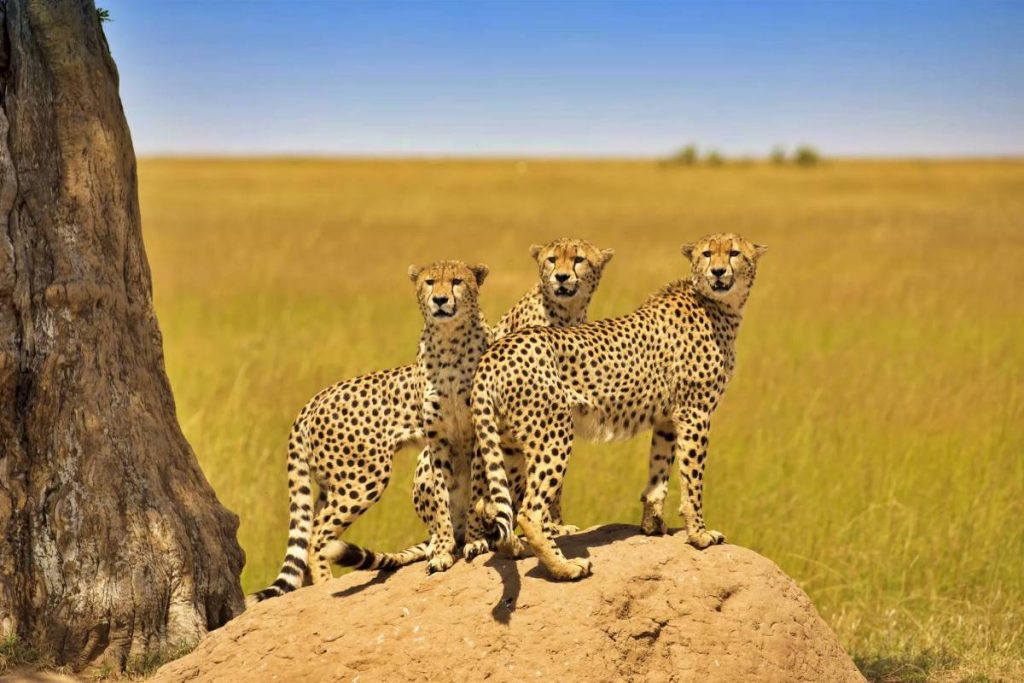
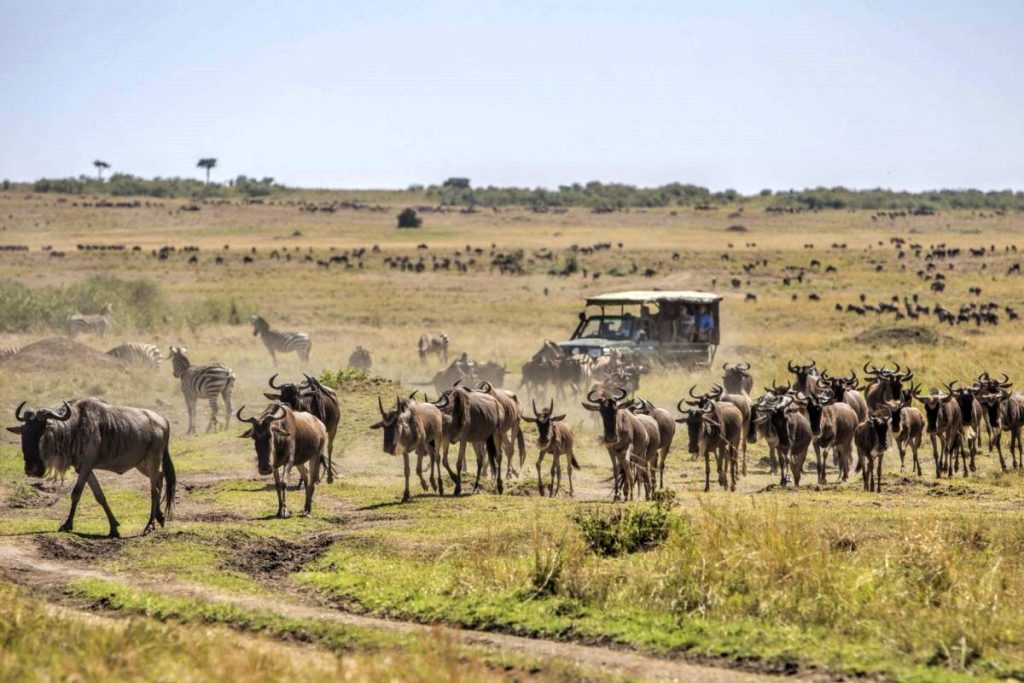
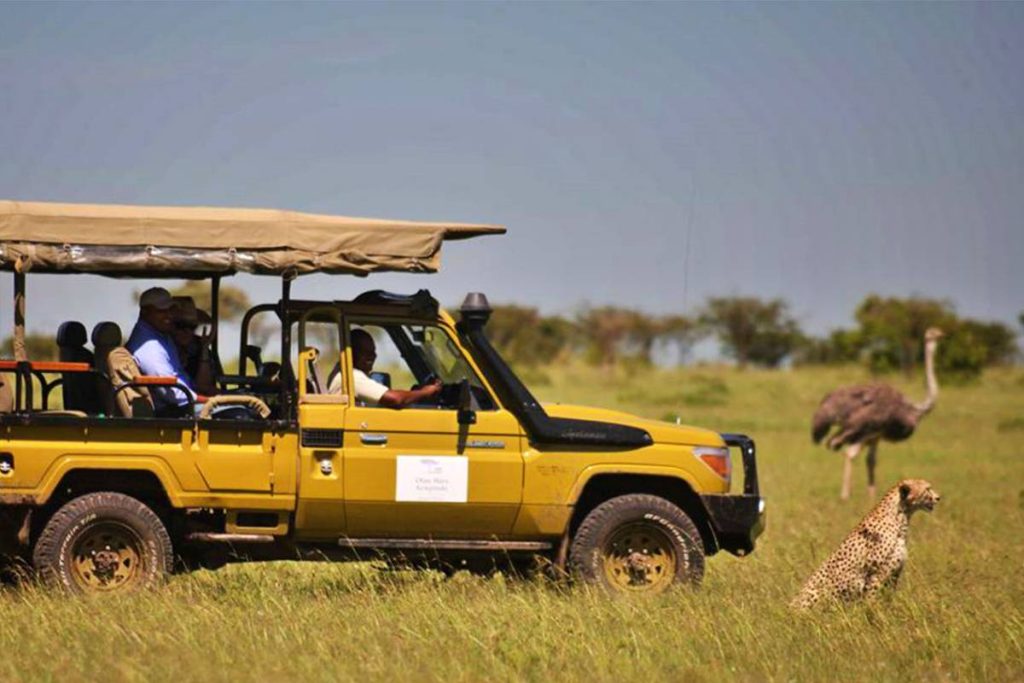
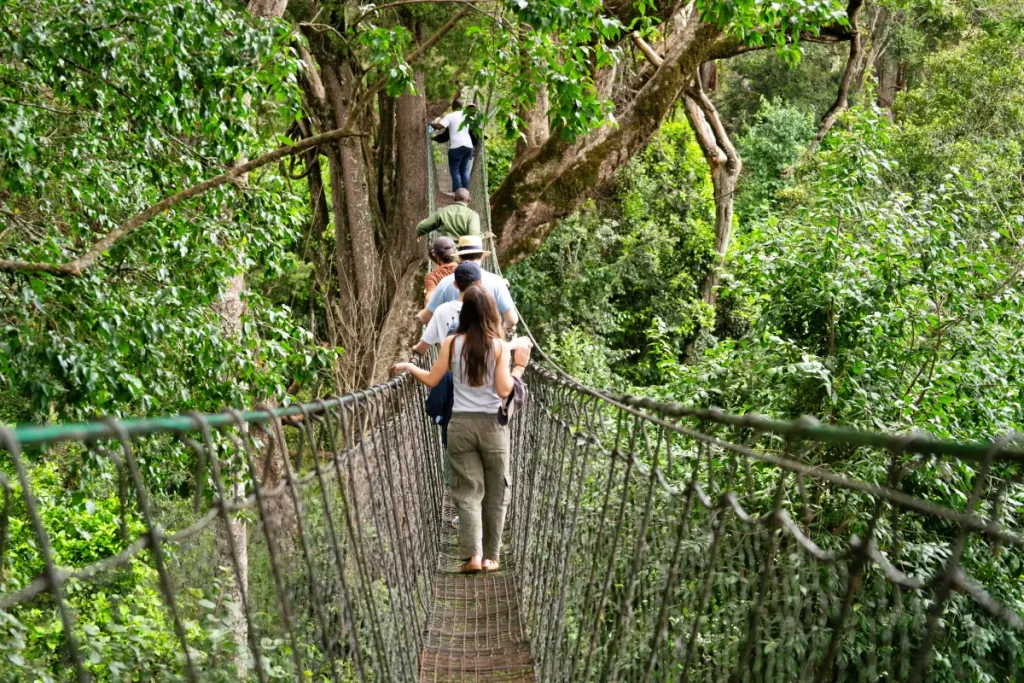
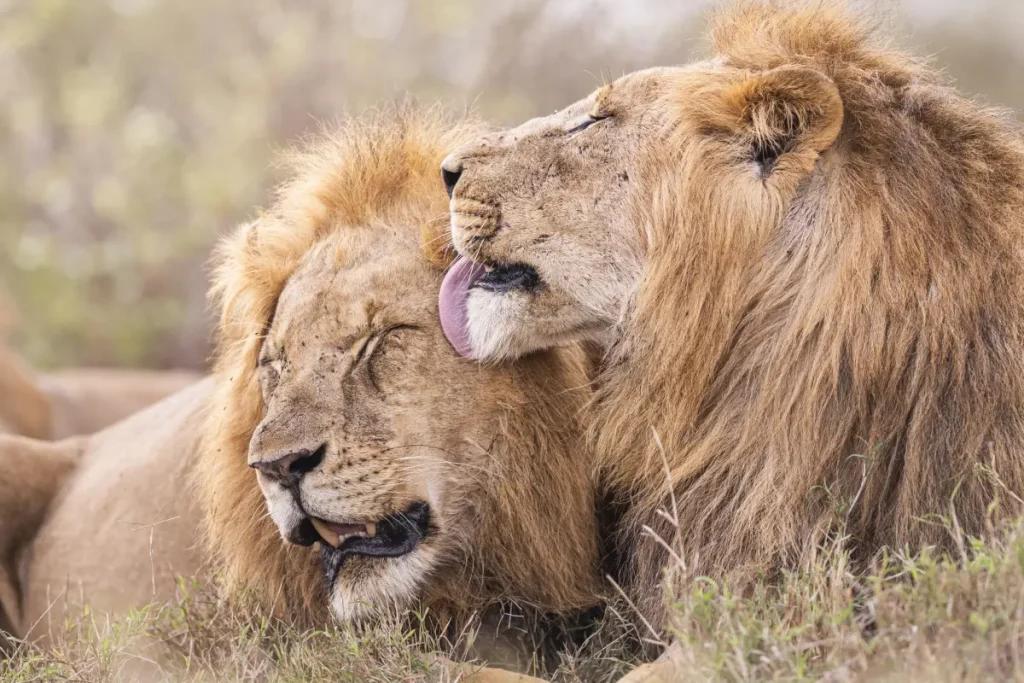
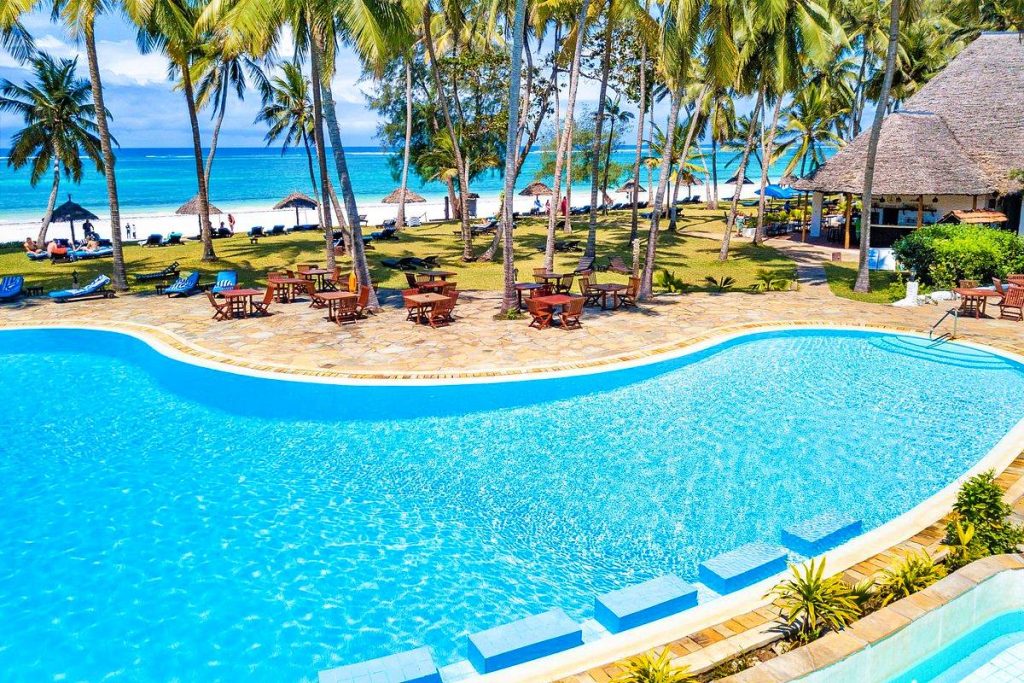
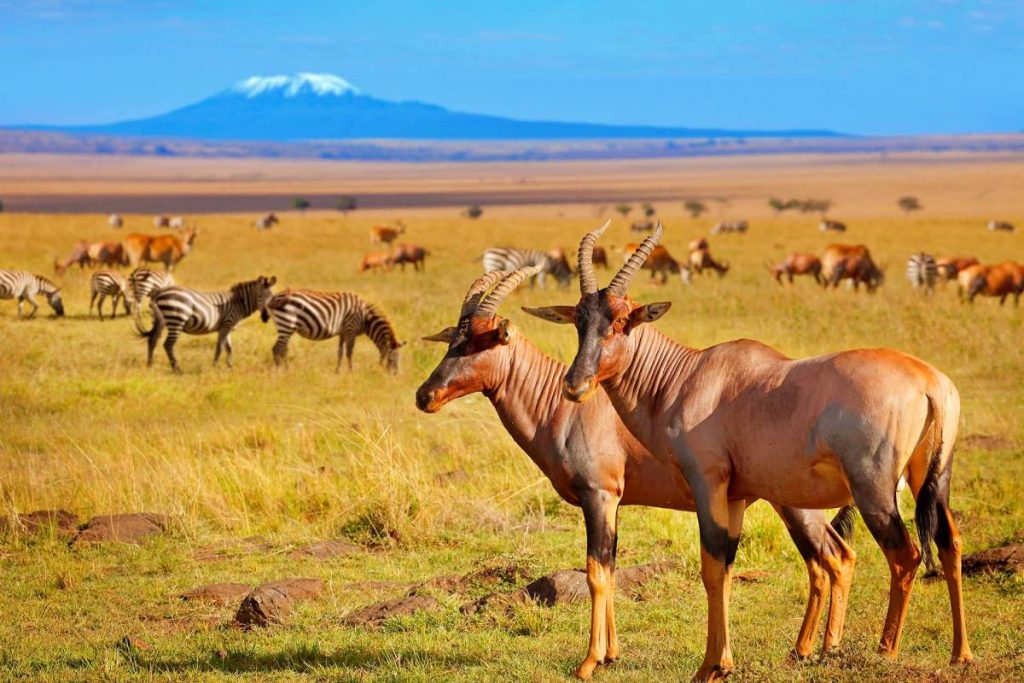
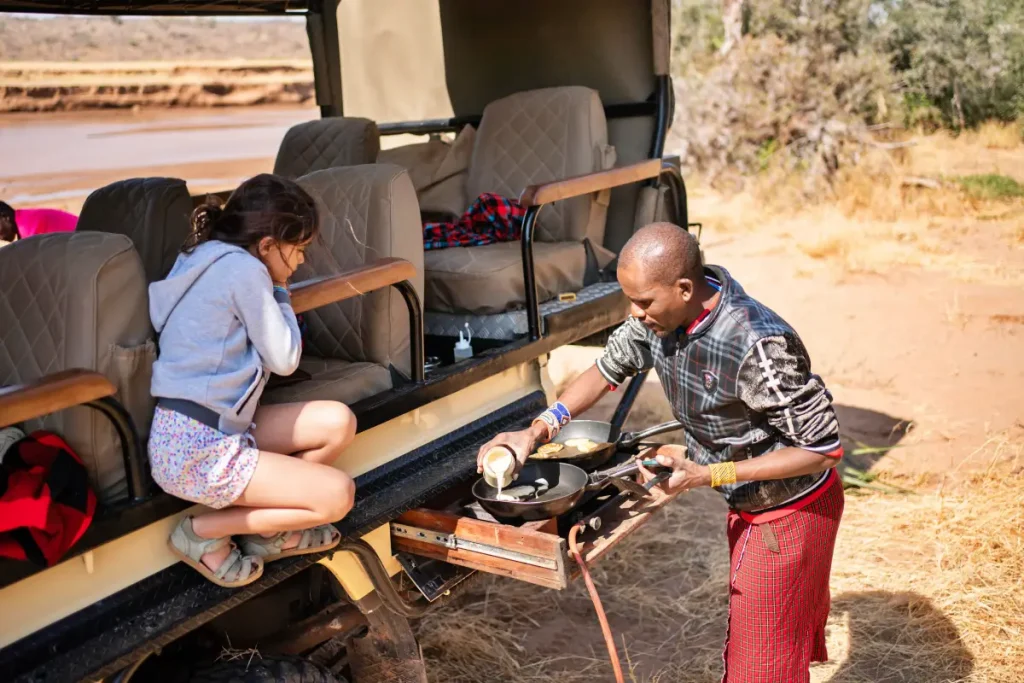
Discover Kenya’s most remarkable safari destinations, where extraordinary wildlife encounters meet some of Africa’s most breathtaking landscapes. From the world-famous Maasai Mara National Reserve, celebrated for the spectacular Great Migration, to the sweeping plains of Amboseli National Park framed by stunning views of Mount Kilimanjaro, and the vibrant birdlife surrounding Lake Nakuru National Park, Kenya offers safari experiences that feel both wild and deeply inspiring. Each national park and reserve reveals a different side of the country’s natural beauty, promising unforgettable adventures for every traveler seeking an authentic African safari.
June to October and January / February are the best times for a visit of Kenya in dry season. These periods also provide the best game-viewing opportunities and migration activity in Maasai Mara, while Amboseli ensures excellent views of Mt Kilimanjaro!
Most visitors do need a visa to visit Kenya. You can also apply for an eVisa Online before you travel. Visa on arrival is available for some nationalities but you are still advised to check the latest requirements from a Kenyan embassy or consulate in your country.
Hepatitis A, Hepatitis B and Typhoid fever are mandatory while optional vaccinations are yellow vaccine as well prep dose for malaria.
Kenya is generally safe for tourists, especially in popular safari destinations and tourist areas. However, it’s important to stay informed about local conditions, avoid risky areas, and follow the advice of your tour guides and local authorities.
The currency in Kenya is the Kenyan Shilling (KES). Credit cards are widely accepted in major hotels, restaurants, and shops in cities and tourist areas. It is advisable to carry some cash for use in remote areas or small establishments.
Pack light, breathable clothing in neutral colors, a hat, sunglasses, sunscreen, insect repellent, comfortable walking shoes, and a good-quality camera with extra batteries and memory cards. A light jacket or sweater is useful for cool mornings and evenings.
It is not recommended to drink tap water in Kenya. Stick to bottled or filtered water, which is widely available. Avoid ice in drinks unless you are sure it is made from purified water.
The official languages of Kenya are English and Swahili. English is widely spoken in tourist areas, hotels, and by safari guides. Learning a few basic Swahili phrases can enhance your experience and interactions with locals.
Yes, travel insurance is highly recommended. It should cover medical expenses, trip cancellations, lost luggage, and any potential travel disruptions. Make sure your insurance policy covers safari activities if you plan to partake in them.
Tipping is customary in Kenya. In restaurants, a tip of 10-15% of the bill is appreciated. For safari guides, a tip of $10-20 per person per day is standard. Hotel staff, such as porters and housekeeping, can be tipped around $1-2 per service.
Kenya uses Type G electrical plugs (the same as in the UK) with a standard voltage of 240V and a frequency of 50Hz. It’s advisable to bring a universal adapter to ensure you can charge your devices.
Yes, it’s important to respect local customs and traditions. Dress modestly, especially in rural areas and when visiting cultural sites. Always ask for permission before taking photos of people, and be mindful of local etiquette and hospitality practices.
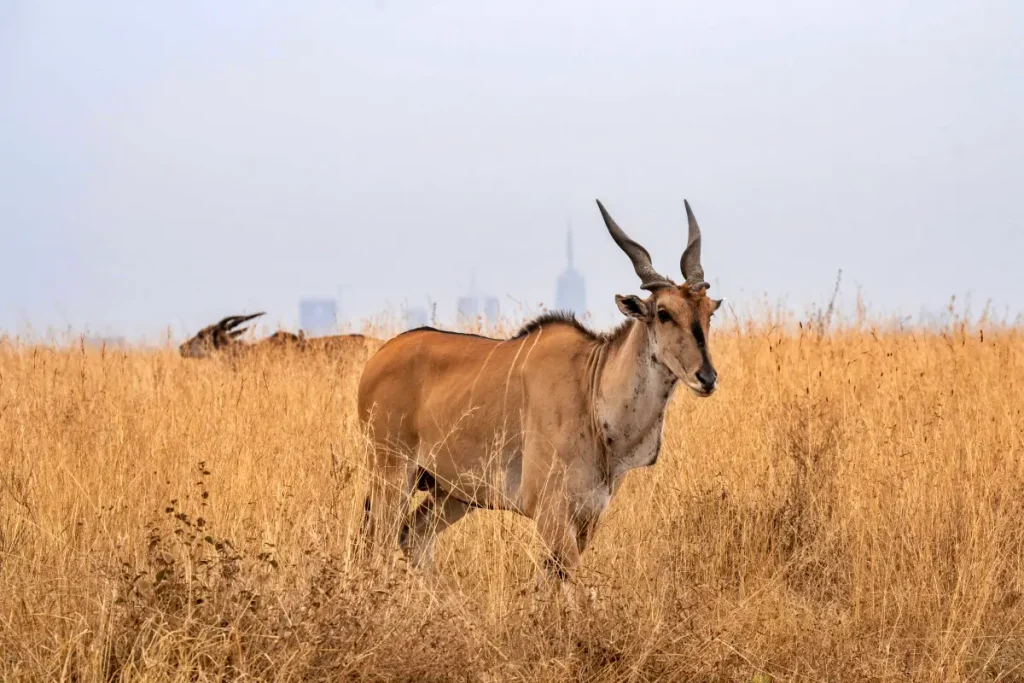
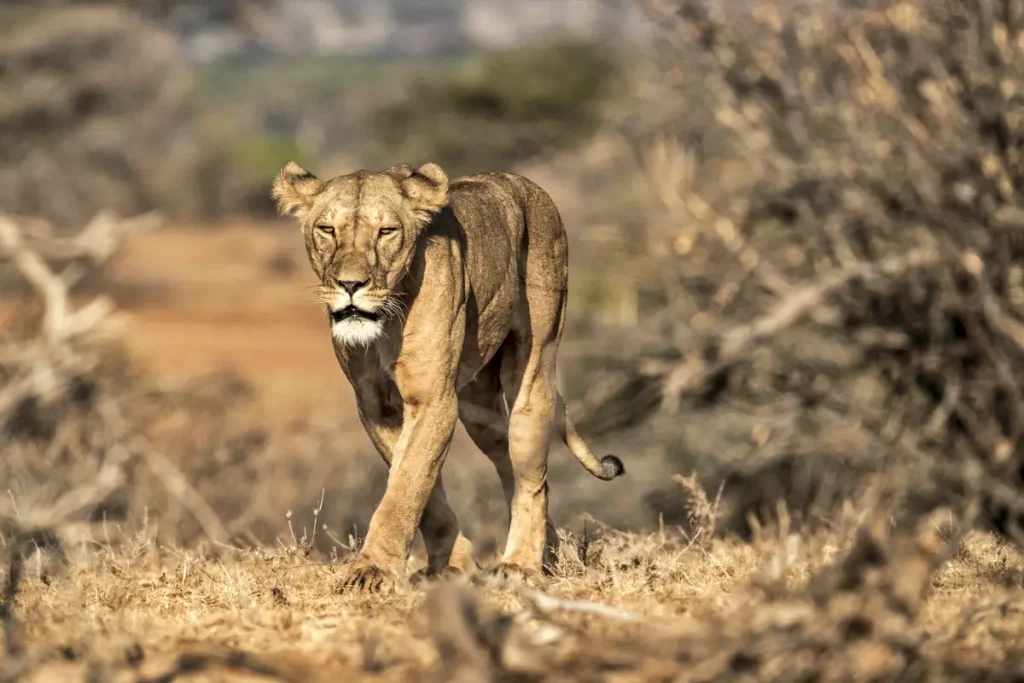
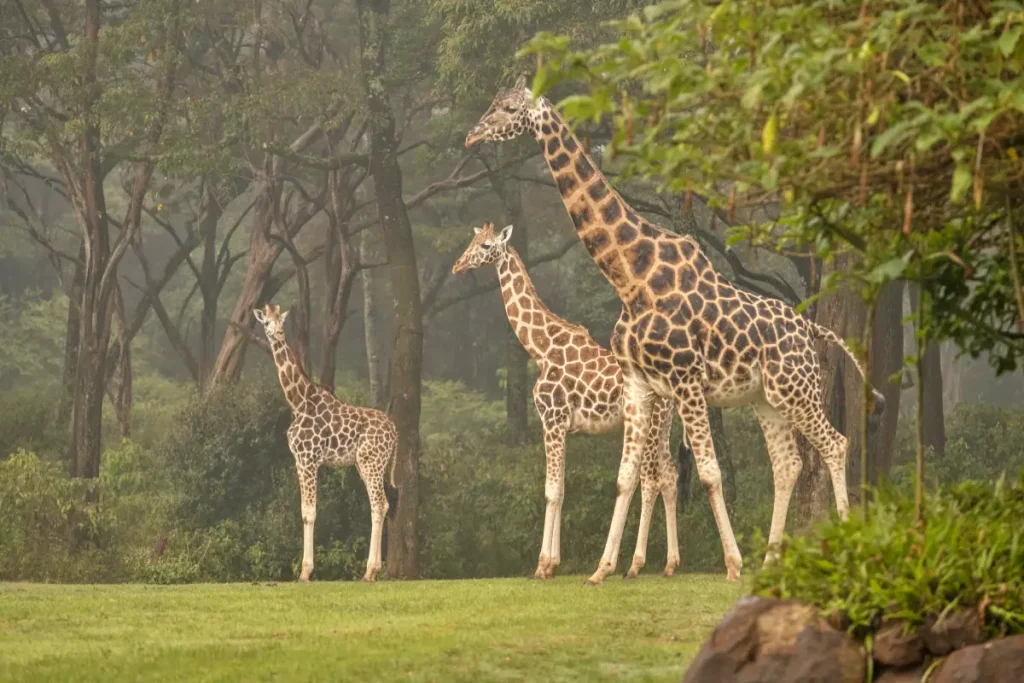
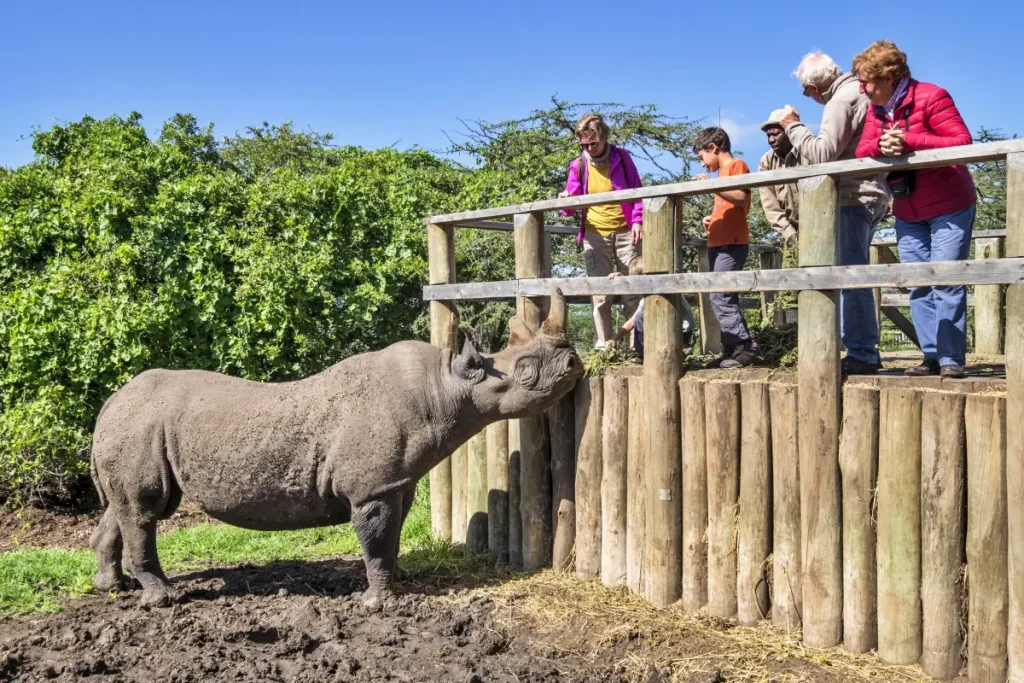
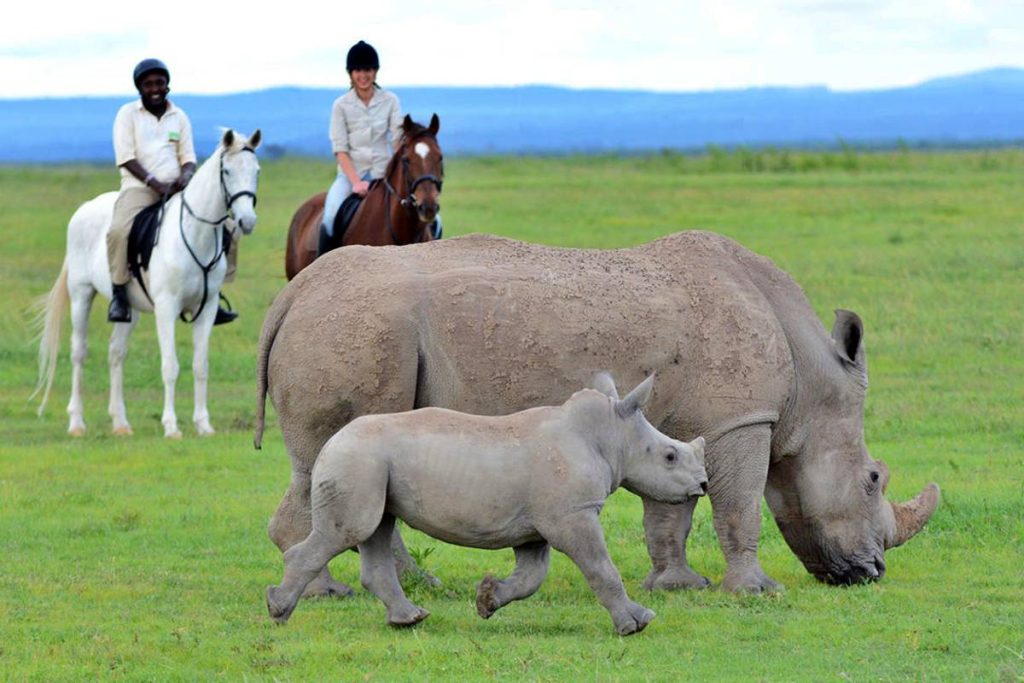
Kenya is home to a diverse range of wildlife, including the Big Five (lion, leopard, elephant, buffalo, and rhino), giraffes, zebras, cheetahs, wildebeests, hippos, and numerous bird species. Each park and reserve offers unique wildlife viewing opportunities.
Choose eco-friendly lodges and tour operators that support conservation efforts. Participate in responsible tourism practices, such as not disturbing wildlife, minimizing waste, and respecting local communities. Donations to reputable conservation organizations are also a great way to contribute.
Mobile network coverage is generally good in cities and major tourist areas. You can buy a local SIM card for your phone or use international roaming services. Many hotels and lodges offer Wi-Fi, though it may be limited in remote areas.